


2025 Car Prices Are Climbing: Here’s Why Now’s the Time to Buy
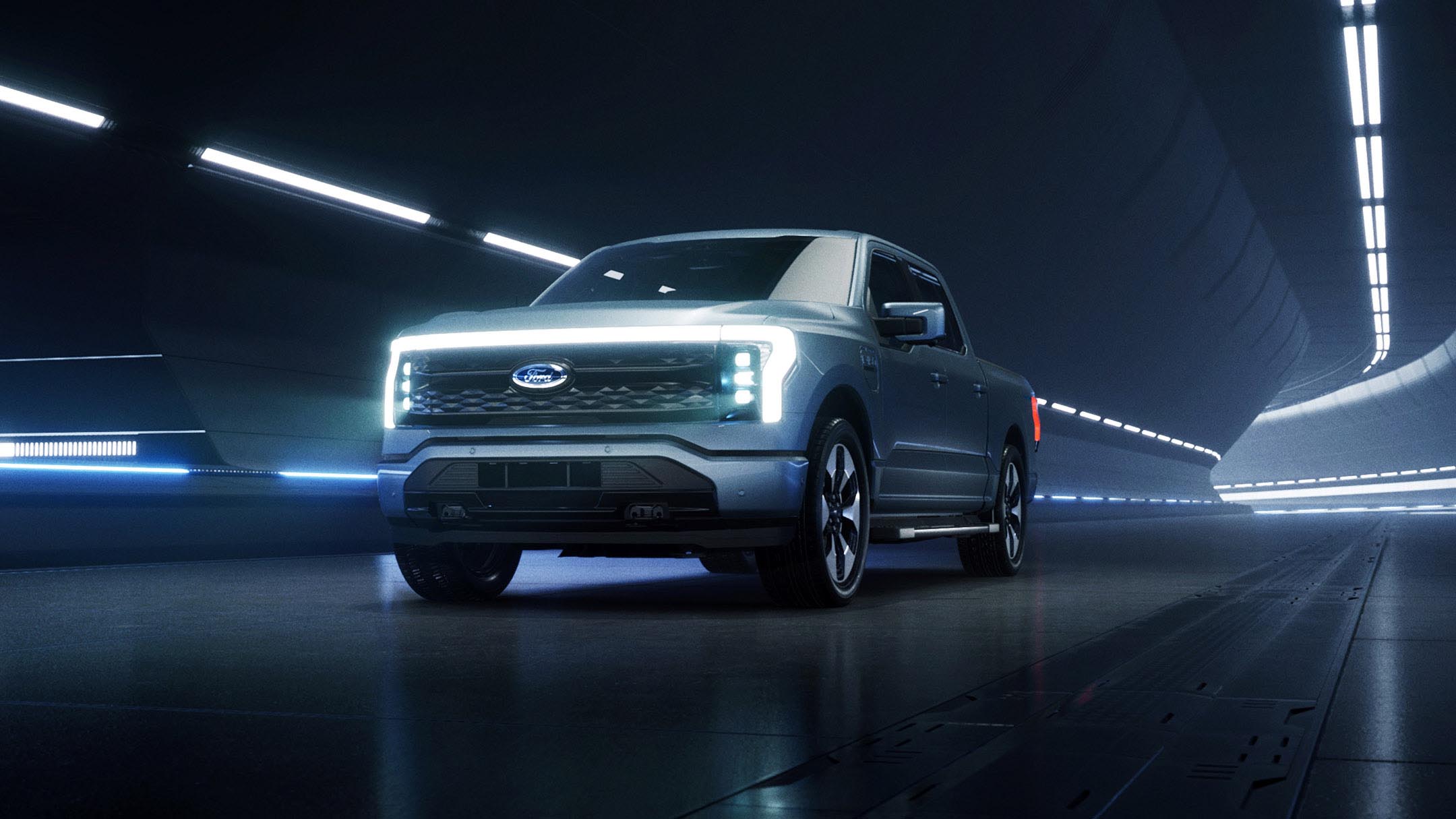
Drivers in Palm Bay, Melbourne, and Cocoa are watching the news closely as tariffs on imported vehicles and parts dominate headlines. But what does this mean for your next car purchase, especially if you’re considering a new vehicle in 2025?
At Gary Yeomans Ford Palm Bay, we’re committed to helping you understand the market and make the right move at the right time.
Explore Our New Inventory to see current options before market shifts make a difference.
What Are Tariffs and Why Are They Rising?
Tariffs are government-imposed taxes on imported goods—vehicles or auto parts manufactured outside the U.S. They’re designed to encourage domestic manufacturing, protect local jobs, and balance trade relationships.
In 2025, increasing global tension and supply-chain realignment have resulted in higher import duties across several categories of vehicle production.
This affects:
- Fully assembled imported vehicles
- Batteries, engines, transmissions
- High-tech components for EVs and hybrids
While the policy intentions may be national growth, the short-term result is a rise in costs across the board.
Will New Car Prices Go Up in 2025?
The simple answer is: very likely.
Rising tariffs and ongoing global trade shifts are making it more expensive to build and deliver vehicles regardless of where they’re assembled. Even if you’re shopping for a domestically produced model, the ripple effect of tariffs can still affect costs in several key ways:
Material and Part Sourcing:
Many U.S.-assembled vehicles still rely on imported components like electronics, batteries, transmissions, and specialty metals. Tariffs on these imports increase the base cost of building the vehicle.
Assembly Costs:
When manufacturers pay more for materials and parts, overall production becomes more expensive. These increased expenses are typically passed on to consumers.
Transportation and Distribution Expenses:
Rising fuel prices, global shipping delays, and increased logistics costs tied directly to tariff-related supply-chain shifts can add significant amounts to the final price of a vehicle.
What This Means for Buyers:
- Expect higher MSRP on new imports by mid-year
- Domestic brands may also see slight increases
- Lease and finance offers may become more limited
Visit Our Finance Center to see if current rates and incentives are the right match for your purchase timeline.
Why Buying a New Vehicle Now May Be the Smart Move
Shoppers are not just thinking about price—they’re thinking about value over time.
Here’s why acting early could work in your favor:
- Lock in pricing before adjustments
- Take advantage of current dealer offers
- Secure favorable financing before rate hikes
- Access better inventory while selection is still strong
Don’t wait until selection is limited. Explore Our New Inventory while options are still wide open.
What Features Are Worth Prioritizing in 2025?
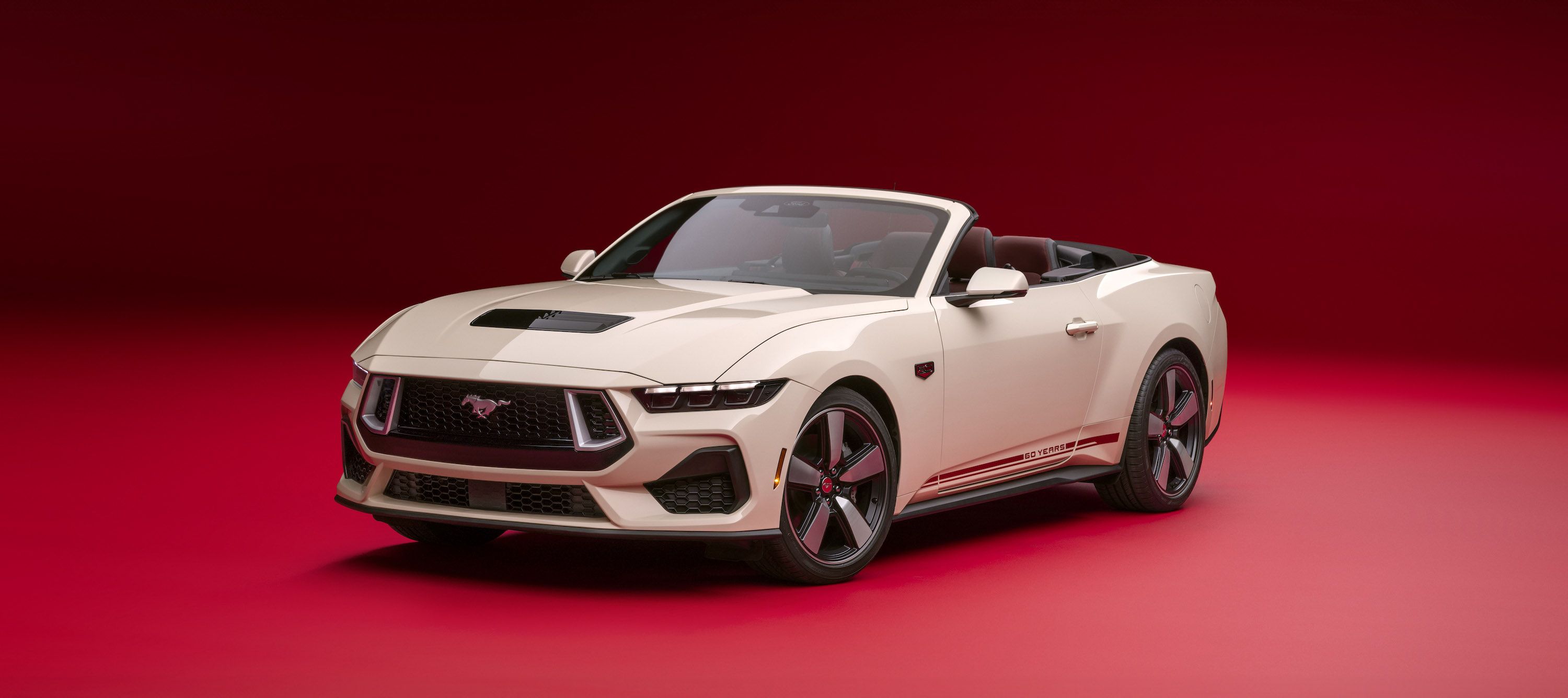
Even under market pressure, don’t overlook value-driven features that improve long-term ownership.
Look for new models that offer:
- EcoBoost and Hybrid Engines
- Ford Co-Pilot360 Safety
- SYNC 4 Infotainment
- Over-the-Air Updates
How Tariffs Might Impact Service & Repairs
The Hidden Cost of Tariffs: Future Service & Maintenance
One hidden cost buyers don’t often consider is the long-term impact of tariffs on service needs. While the immediate concern tends to revolve around the sticker price, tariffs on imported auto parts can have a ripple effect on ongoing maintenance and repair costs:
- Increased repair expenses for specialized imported parts
- Longer wait times due to supply-chain delays and customs processing
- Reduced availability of aftermarket components
- Higher costs for advanced technology repairs, such as radar sensors or electric powertrain modules
- Challenges for independent repair shops, leading to potential reliance on dealership service centers
Check Out Our Service Center to learn how we maintain local inventory and keep turnaround times fast.
The Bottom Line
At Gary Yeomans Ford Palm Bay, we’re here to help you navigate these shifts with transparency, timely offers, and top-tier customer service.
0 comment(s) so far on 2025 Car Prices Are Climbing: Here’s Why Now’s the Time to Buy